
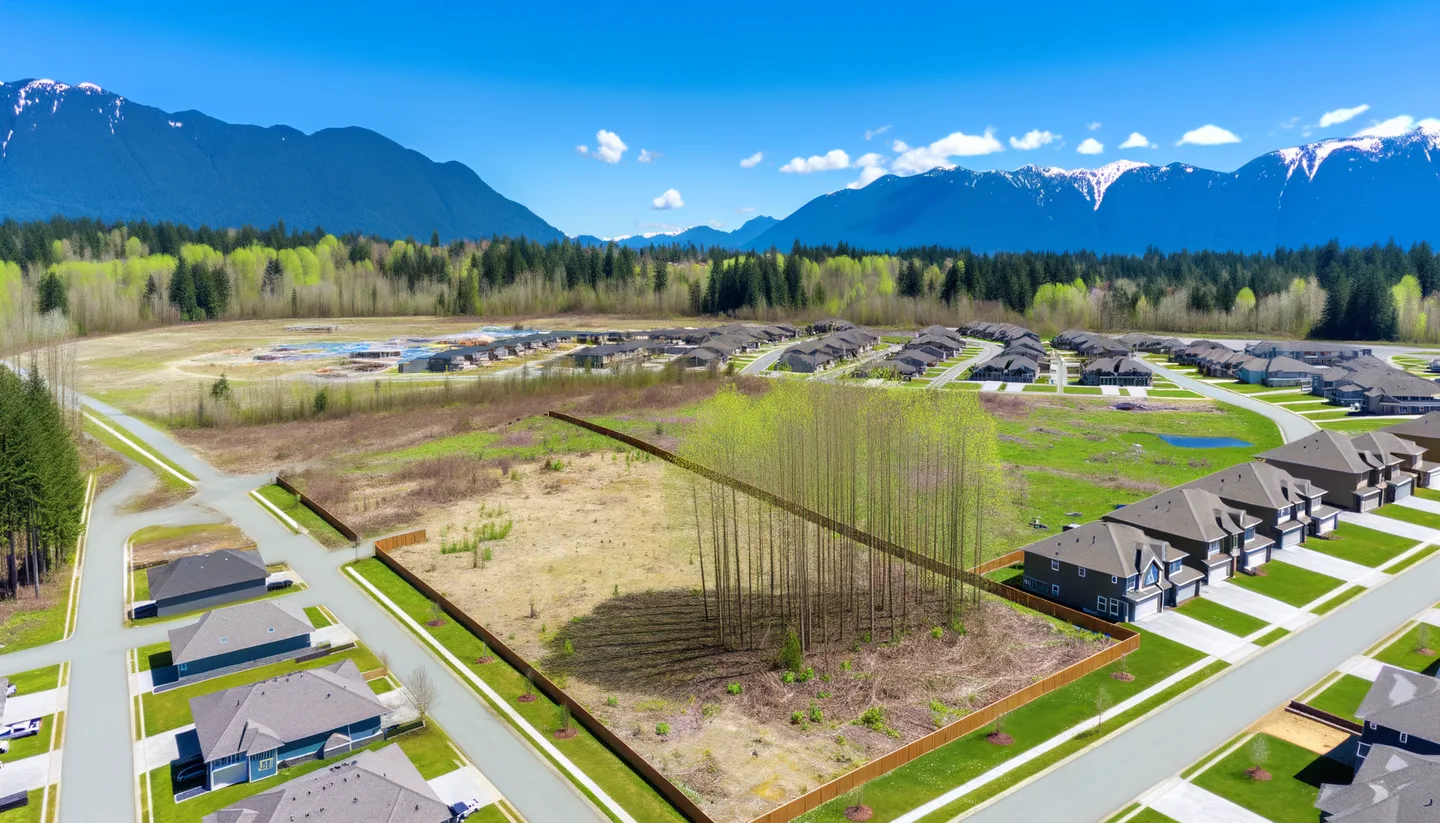
Selling Land To A Developer in CA: The Basics
If you want to sell your land to developers, the core process comes down to understanding what a developer needs, what your parcel is worth, and how California’s unique rules shape the deal. A developer typically buys land to build residential communities, commercial projects, or mixed-use properties. Before any of that can happen, though, the developer usually needs local government approval to move forward with their plans. Listing on digital marketplaces can generate offers within days — our guide on listing your property on California land marketplaces covers the best platforms to use.
Unlike a typical home sale, a developer is not just buying what exists on the ground today. They are buying potential. That means how your land is zoned, whether it can be subdivided into a tract of smaller lots, and what environmental reviews might be required all factor heavily into what a developer is willing to pay and how quickly they will close.
Real Estate in CA: Background and Context
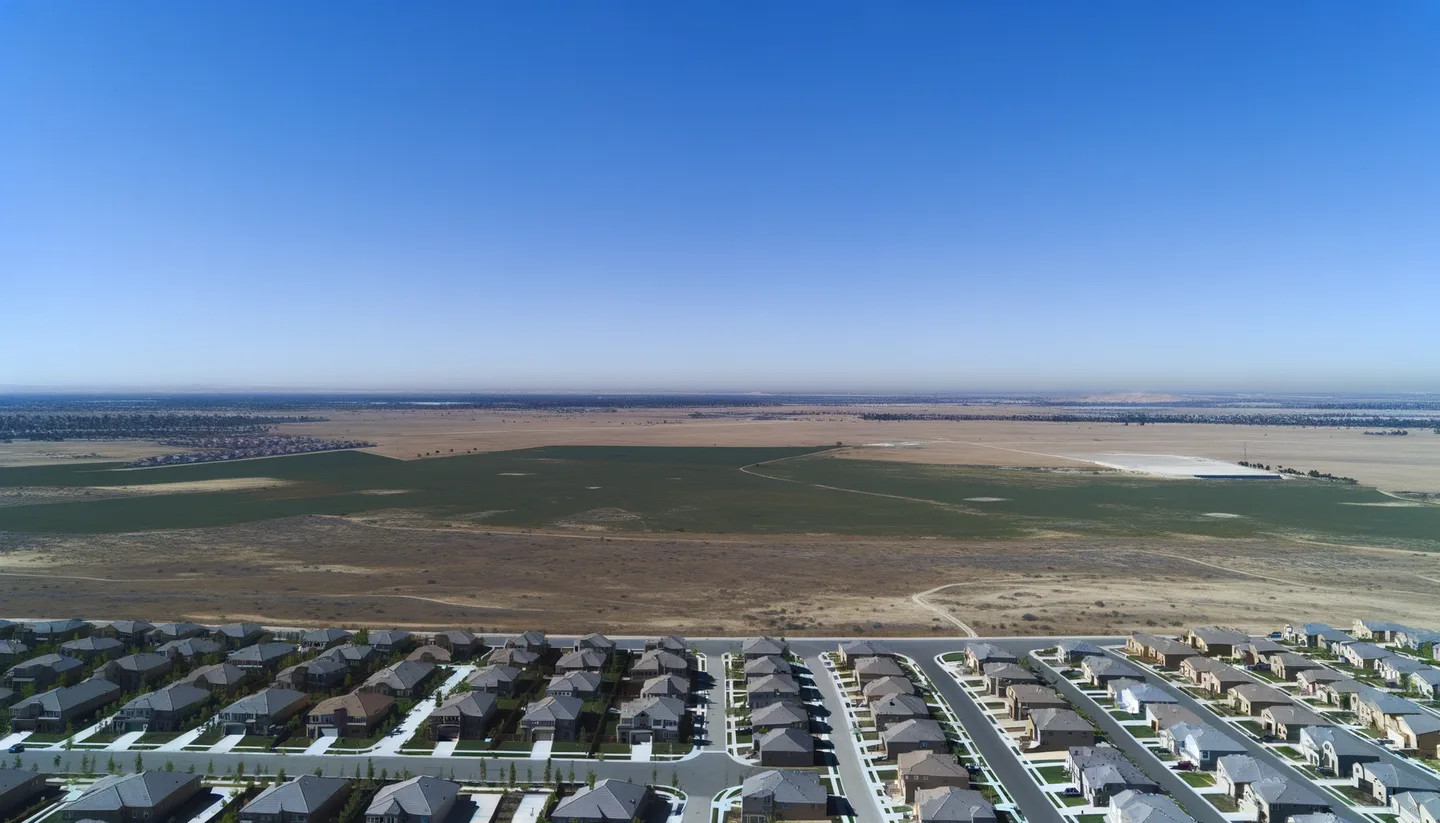
California is one of the most complex real estate markets in the country, and that complexity cuts both ways for a landowner. On one hand, strong demand from developers means that vacant land in or near growing communities can command serious offers. On the other hand, California’s web of zoning laws, environmental regulations, and disclosure requirements means the selling process requires real preparation.
For landowners looking to sell, understanding how the market works is the first step. California’s land development scene is active, with developers pursuing everything from raw land on the urban fringe to infill vacant lots in established neighborhoods. A landowner should research similar properties that have sold nearby to get a realistic sense of property value and current market trends. Not every developer deal works out, and if yours falls through, our guide to selling vacant land without a realtor outlines alternative paths to a sale.
The zone designation on your parcel is one of the most critical factors in any land acquisition conversation. Whether your property is zoned residential, agricultural, commercial, or industrial will shape which developers are interested and what they plan to build. If a parcel is not currently zoned for the intended use, some developers will still pursue it but will factor the rezoning timeline and risk into their offer.
There are several ways to structure selling to a developer. Some landowners prefer a straightforward cash sale. Others explore joint ventures or option agreements, where a developer secures the right to purchase the land after obtaining entitlements. Property owners should also know that working with a real estate agent who specializes in land can help navigate local regulations, connect with qualified land buyers, and structure a fair agreement. Understanding what drives the sale of your property, and what could slow it down, puts you in a much stronger position at the negotiation table and can result in a higher price when you are ready to close.
Step-by-Step: How to Sell Land To A Developer in California

If you are ready to sell land to a developer, following a clear process will save you time and help you avoid costly mistakes.
1. Understand your land’s zoning and development potential. Before approaching anyone, pull your parcel’s zoning information from your county assessor’s office. Developers often focus on specific property types, residential subdivisions, commercial property, industrial sites, so knowing what your land is approved for helps you target the right buyers.
2. Get a professional land valuation. Market value for raw land can be difficult to pin down without expert help. A licensed appraiser or a land-focused real estate broker can give you a realistic number based on comparable sales, location, and zoning.
3. Prepare your documentation. Gather your title, any existing surveys, tax records, and information about utilities or access roads. Developers are skilled at spotting gaps in documentation, and incomplete records can delay or derail a deal.
4. Market the land to developers. You can list your property online on platforms that reach commercial and residential developers, work with a broker who has developer relationships, or reach out directly to active builders in your area. A well-prepared listing with clear photos, maps, and zoning details attracts more serious interest. Cutting out the middleman is one way to speed things up — our guide on selling without a realtor in California shows how.
5. Review purchase offers carefully. Not all offers are straightforward. Some developers will submit a conditional offer tied to obtaining permits or rezoning approval. That kind of offer can result in a higher purchase price, but it also means the land sale may take months or even years to close. Weigh certainty against potential upside before you sign.
6. Work with legal and tax professionals. California has specific disclosure requirements and transfer taxes that affect every transaction. An attorney familiar with California real estate and a CPA who understands land sales should both be part of your team before you finalize any deal.
7. Close the transaction. Once terms are agreed upon, a title company or escrow officer will manage the closing process, ensuring the transfer is recorded properly with local authorities.
What to Watch Out For When Selling Land To A Developer in California
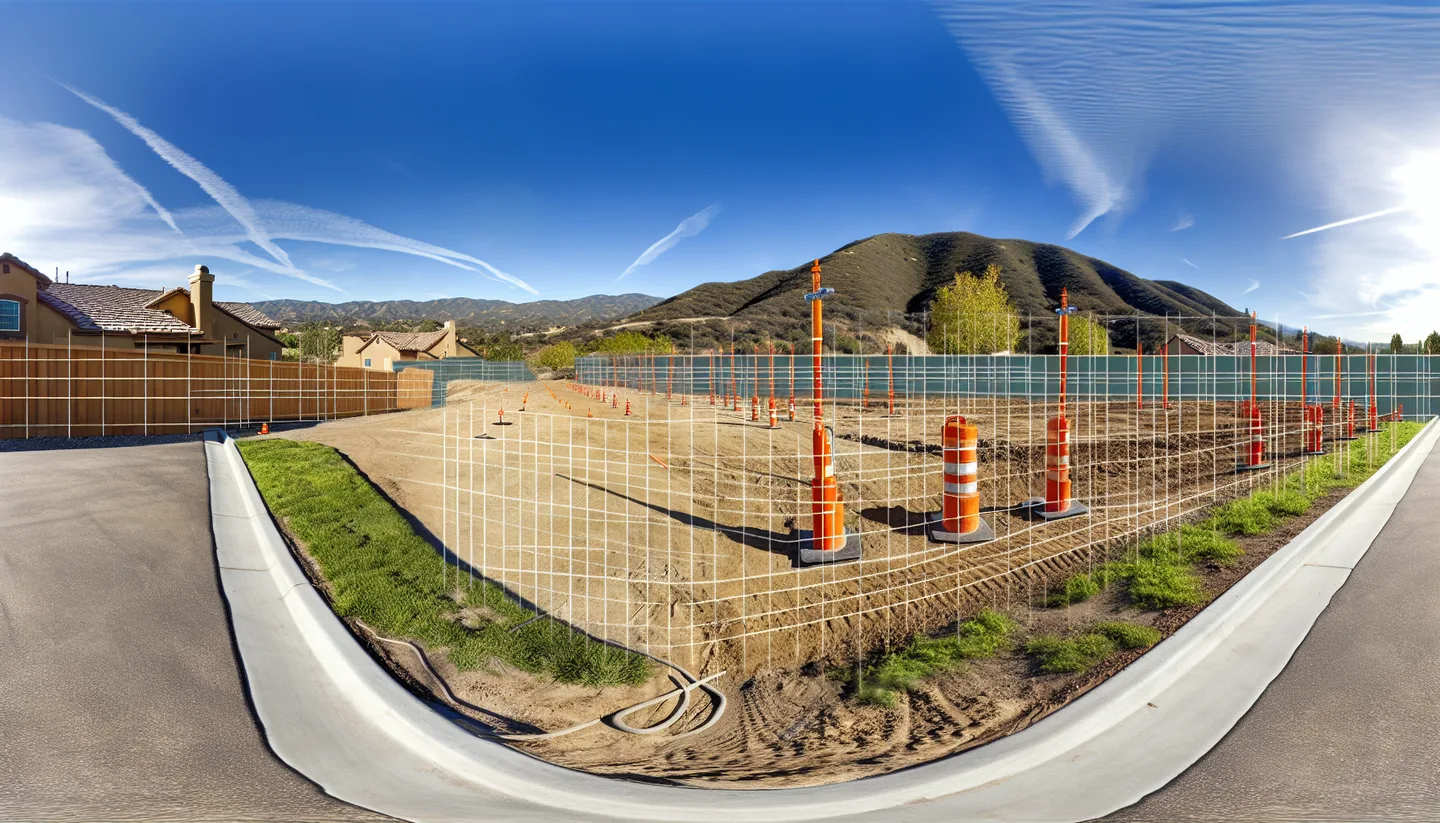
California real estate transactions come with layers of complexity that can catch unprepared sellers off guard. Here are the most important factors to understand before you finalize a deal. Developers are particularly active in Southern California — learn more about selling land in Los Angeles County if your parcel is in the metro area.
Tax exposure can be significant. California does not distinguish between short-term and long-term capital gains on real estate, the state taxes all gains as ordinary income, from 0% up to 13.3% depending on your income level. When combined with federal taxes, high-income sellers can face a combined rate of up to 37.1% in 2025, according to Lucas Real Estate. That means for every dollar of gain on undeveloped land, you could owe more than a third to the government. Talk to a qualified real estate professional or CPA before you negotiate any deal.
The buyer will conduct extensive due diligence. Developers are not casual purchasers. A buyer will scrutinize your title, survey, zoning, environmental conditions, and utility access. During due diligence, they may request inspections or studies that surface issues affecting the land’s value. As the seller, you should understand what is on your property before a buyer finds it first, surprises at this stage can reduce the value of your land or kill a deal entirely.
California’s Natural Hazard Disclosure requirement is mandatory. Under Civil Code §1103, sellers must disclose whether the property lies within designated hazard zones, including flood, fire, and earthquake fault zones. California is the only state in the country with this requirement, according to DocJacket’s analysis of state disclosure laws. Failing to provide this disclosure can expose you to legal liability.
Transfer taxes apply at closing. California’s Documentary Transfer Tax is set at $1.10 per $1,000 of the sale price at the county level. Some cities layer additional transfer taxes on top, the City of Santa Monica, for example, charges $3.00 per $1,000, resulting in $6,000 in city transfer tax alone on a $2,000,000 transaction. Factor these costs into your net proceeds before you negotiate final terms.
Market conditions matter. Potential land that looks appealing today may sit longer if interest rates rise or if a developer’s financing tightens. Understanding current conditions helps you set realistic expectations for both timing and price. Potential buyers will know the market, you should too.
Common Questions About Selling Land To A Developer in California
Related Resources
- Going Agent-Free on a California Vacant Land Sale
- How to Complete a California Land Sale Without a Realtor
- Online Marketing Strategies for California Land
- Essential Legal Documents for a California Land Transaction
- California Land Sale Tax Obligations Explained
- Accelerating Your California Land Sale
Sell Your California Land
How much will a developer pay for land?
There is no single answer, because developer’s offers depend on your parcel’s zoning, size, topography, location, and the current real estate market. In general, developers work backward from what they expect to earn on the finished project, subtracting construction costs, fees, and profit margin, to arrive at what they can pay for land. A survey of comparable land sales in your area, combined with a professional appraisal, gives you the best baseline for evaluating any offer you receive.
How can you reduce capital gains taxes when selling land?
There are a few strategies worth discussing with a CPA. A 1031 exchange allows you to defer taxes by reinvesting proceeds into like-kind development land or other qualifying real estate. Installment sales spread income across multiple years, potentially keeping you in a lower tax bracket. Charitable remainder trusts are another option for some landowners. Because California taxes all capital gains as ordinary income, proper planning before the land selling process begins is especially important here.
What do land developers look for when buying property in California?
Land developers typically evaluate zoning, access to utilities, road frontage, topography, proximity to jobs and amenities, and whether a mixed-use or residential project is feasible under local rules. They also consider the California Environmental Quality Act (CEQA), which requires environmental review for most development projects. A parcel that is already entitled, meaning it has gone through the approval process, is far more attractive and typically commands a premium over raw, unentitled land in the real estate market.
Are there property taxes or special assessments to be aware of?
Yes. Beyond standard property taxes, some California parcels fall within Mello-Roos Community Facilities Districts, which levy special taxes to fund infrastructure like roads and schools. These assessments are not based on property value and can persist after a sale transfers to a new owner. If your parcel is in one of these districts, a real estate developer will account for it when making an offer. A title search and a survey of any recorded liens or CFD obligations should be completed early in the process of selling land.
Can you sell land to a developer without hiring an attorney?
Technically, California does not require sellers to use an attorney in the process of selling real property. However, selling development land involves complex contracts, disclosure obligations, and potentially conditional agreements tied to entitlements. Estate agents and escrow officers handle parts of the process, but they cannot give legal advice. For a transaction of this size and complexity, having an attorney review the purchase agreement before you sign is strongly recommended.
Your Options for Selling Land To A Developer in CA
Selling land in California gives you more options than many landowners realize. You can pursue a direct cash sale, enter an option agreement while a developer secures permits, or work with planning consultants and a land-use consultant to increase your property’s entitlement value before going to market. Each path has different timelines and trade-offs.
If you want to understand what properties in your area are selling for and which approach fits your situation, the best first step is simply to have a conversation. We are happy to answer questions, review your parcel’s details, and help you think through your options, with no pressure and no obligation.
Need to sell your California land? We buy land directly from owners for cash, with no fees, no commissions, and we close in as little as 2 weeks.
Loading form…