
How to Sell Land in California
Whether you have a small piece of vacant land in the Central Valley or a large rural parcel in Northern California, knowing the best way to sell your land starts with understanding your options. Selling land is genuinely different from selling a home. The buyer pool is smaller, financing can be trickier, and the timeline often runs longer. But with the right approach, you can sell your land online and reach motivated buyers across the country without ever leaving your house. Sellers in the state’s largest market can find localized advice in our guide to the Los Angeles County land market.
This guide to selling land in California walks you through every stage of the process, from pricing and listing to closing. The most straightforward way to sell is through a platform for selling land that specializes in land specifically — not one built for residential homes that happens to allow vacant land listings on the side. You can also sell land on Facebook Marketplace for additional exposure, though results vary. There are also direct buyers who buy and sell land regularly and can simplify the selling process considerably. Whatever route you choose, the steps below will help you move forward with confidence.
The Context Behind Selling Land Online in CA
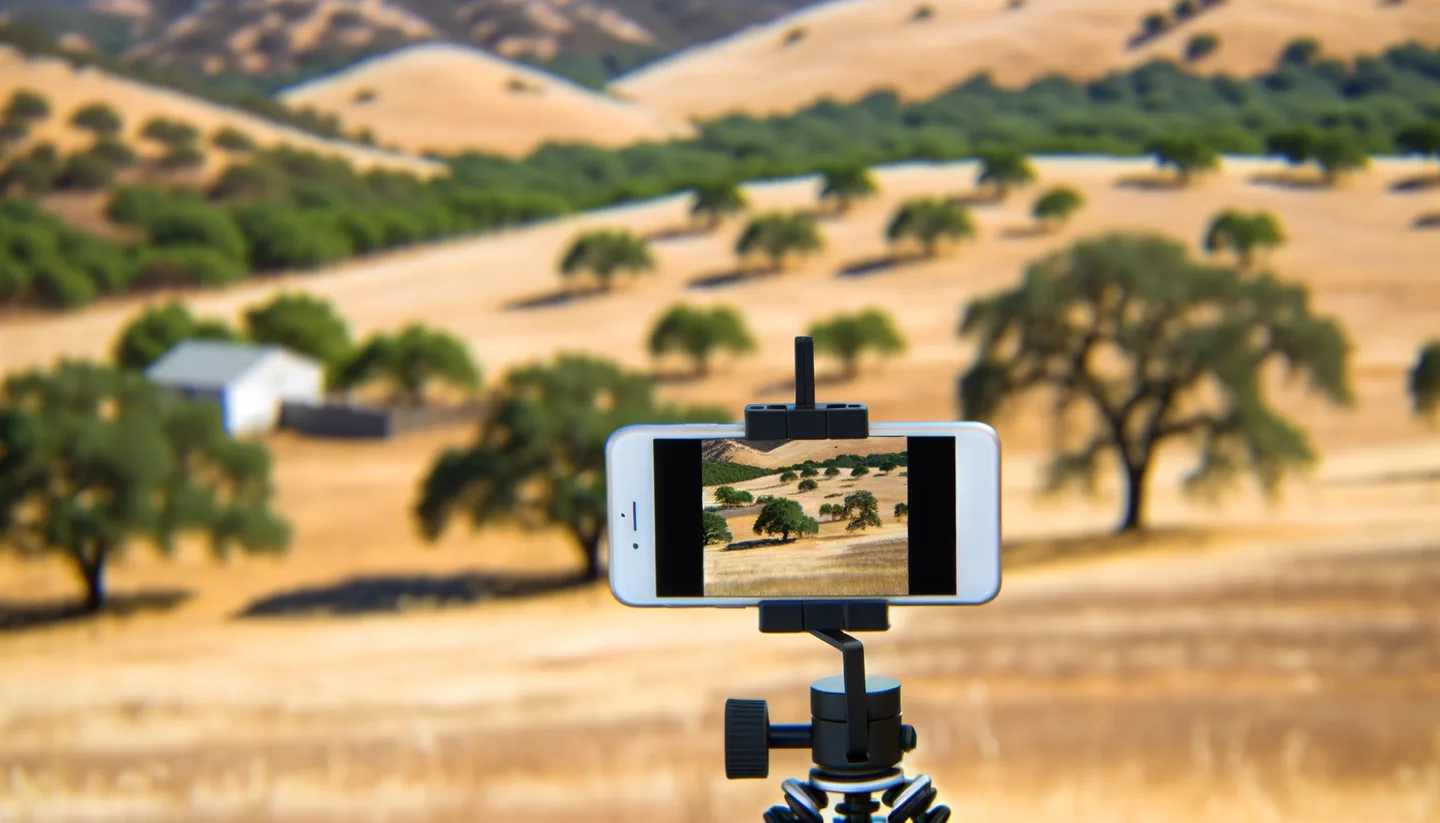
If you want to sell your land in California, it helps to understand what makes the state’s market unique. California has some of the most diverse types of real estate in the country, from agricultural land in the San Joaquin Valley to recreational parcels in the Sierra Nevada foothills to desert plots near Joshua Tree. That variety means buyers are out there, but they are looking for very specific things. Land that can be used for farming attracts different buyers than a parcel zoned for residential development, and marketing to the wrong audience wastes everyone’s time.
The internet has changed everything for landowners looking to sell. A decade ago, selling property without an agent meant yard signs and classified ads. Today, sellers have access to land selling websites that attract thousands of buyers each month. If you are looking to sell your land, the right platform connects you with people who are already interested in buying land, not general homebuyers who stumble across your listing by accident.
That said, there are common pitfalls when selling land online that California owners should know about. One of the biggest is pricing. Unlike homes, land does not have a consistent comparable sale database, so it is easy to list too high and sit on the market for months, or price too low and leave money on the table. Before you list your land, spend time researching what similar plots of land have sold for in your county. County assessor records and recent sale data from land-focused platforms are good starting points.
Another area where sellers run into trouble is the legal side. Legal considerations when selling land in California include disclosure requirements that go beyond what most other states require. California is the only state in the U.S. that mandates a Natural Hazard Disclosure (NHD) report, covering everything from flood zones to earthquake fault lines. Failing to prepare your land documents properly, or skipping required disclosures, can delay or kill a deal.
If you need to sell your land quickly, a fast sale through a direct buyer may be worth exploring. Direct land buyers typically pay cash, skip the traditional listing process, and can close in as little as 2 weeks. You may accept a lower price in exchange for speed and simplicity, so weigh that trade-off carefully based on your situation. If your goal is the shortest possible timeline, our guide on speeding up your California land sale compares direct buyers, auctions, and other accelerated options.
For owners who want to market your land to the widest possible audience, listing online without a realtor is entirely legal in California. You maintain control, avoid commission fees, and can manage the process on your own schedule. The key is knowing which platforms attract buyers who are genuinely interested in selling property of the type and size you own, and making sure your listing stands out once it is live.
Step-by-Step: How to Sell Land Online in California

Successfully sell land online by following a clear process. Skipping steps, especially on the legal and pricing side, is where most California land sales go sideways. Here is how to move through it efficiently.
Step 1: Gather your property information. Before you do anything else, locate your Assessor’s Parcel Number (APN). Every parcel in California has a unique APN assigned by the county, and without it, buyers cannot confirm which parcel is being sold. You can find it on your property tax bill or through your county clerk’s office. Also pull together the deed, any survey documents, and information about land use restrictions or easements.
Step 2: Price your property accurately. Many online platforms let you browse recent land sales by county, which gives you a reasonable baseline. Look at parcels with similar acreage, zoning, and access. If comparable sales are scarce in your area, consider a formal appraisal. Mispricing is one of the most common reasons land sits unsold for years. Posting on the right platforms can catch the eye of commercial buyers — our guide on selling to a developer in California explains how to position your listing.
Step 3: Prepare your disclosures. California requires sellers to deliver a Transfer Disclosure Statement (TDS) and a Natural Hazard Disclosure report to buyers before contract acceptance. Under California Civil Code § 1103, if either document is delivered after offer acceptance, the buyer has 3 days (or 5 days if mailed) to walk away. Get these ready before you list, not after you find a buyer.
Step 4: Choose the best websites to sell land online. There are several websites to sell land that cater specifically to land buyers, LandWatch, Land And Farm, and Lands of America are among the most trafficked. Real estate listings on Zillow or Realtor.com reach a broader audience but attract fewer serious land buyers. Post across multiple sites to maximize exposure.
Step 5: Write a strong listing and showcase the land visually. Describe access, utilities, zoning, topography, and any development potential. If possible, include drone photos or video, many buyers are searching from out of the area and cannot visit in person. Real estate transactions for vacant land often stall because buyers cannot visualize the parcel; good photos and a clear legal description solve that problem.
Step 6: Decide whether to work with a land specialist or go it alone. You can sell land online without hiring a traditional real estate agent. However, if the process feels overwhelming, a broker who specializes in land can be worth the commission. Alternatively, sell land by owner. Alternatively, sell land by owner and use a licensed California title company to handle the closing. Under California law, an attorney is not required, but using a title company protects both parties and ensures clean transfer of ownership.
Step 7: Negotiate and close. Once you receive an offer, review it carefully. Many buyers who contact you directly are investors looking to buy your land at a discount. Know your minimum acceptable price before negotiations start so you do not make decisions under pressure.. A title company manages the escrow and recording once both parties agree on terms. If you need to sell land fast, communicate that upfront, some buyers specifically seek motivated sellers and can move quickly.
Potential Challenges With Land Sale in CA
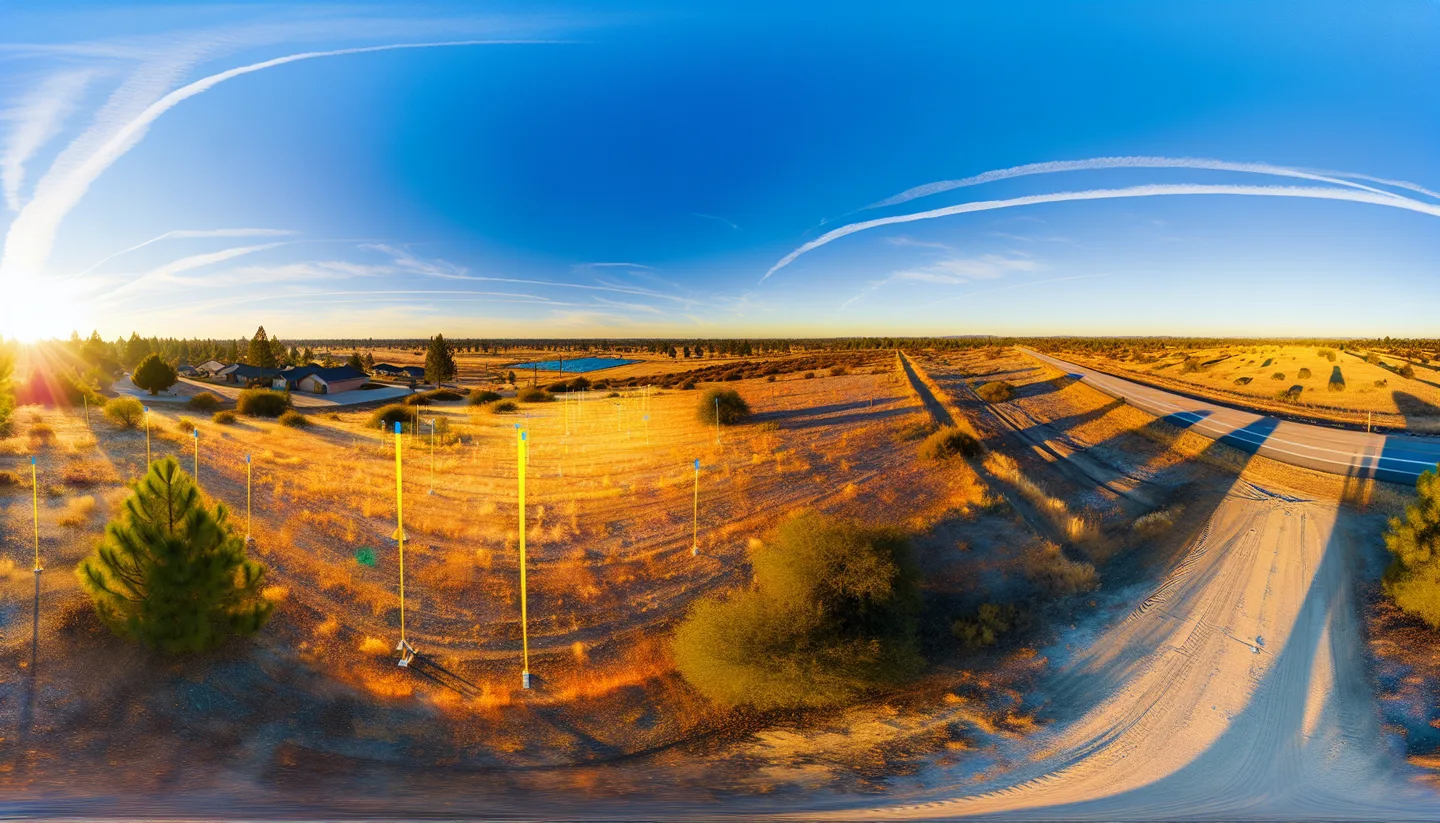
Even with the best preparation, selling land in California comes with hurdles that can slow or derail a sale. Understanding these challenges ahead of time helps you deal with them before they become problems.
Financing limitations. Most residential mortgage products do not apply to raw land. Prospective land buyers often need specialty financing, higher down payments, or the ability to pay cash. This narrows your buyer pool significantly. If you want to sell your land fast, consider offering seller financing, it opens the door to buyers who cannot qualify for a traditional land loan and can help you close faster while earning interest income over time.
Disclosure liability. California’s disclosure rules are among the strictest in the country. Under California Civil Code § 1102.13, a negligent or willful failure to provide a complete Transfer Disclosure Statement can result in liability for actual damages. An incomplete Natural Hazard Disclosure carries even greater potential liability, in some cases equal to the full value of the property. Review disclosure requirements carefully, and do not rely on general real estate websites for California-specific guidance. Online or not, the legal requirements are the same — review the documents needed for selling land in California before you accept any offer.
Transfer taxes and additional levies. California’s Documentary Transfer Tax is set at $1.10 per $1,000 of the sale price, paid at recording. But that is not always the end of it. According to the California Legislative Analyst’s Office, as of January 2025, 26 charter cities in California have established their own additional transfer taxes on top of the county rate. Check with your county recorder’s office to understand the full tax picture for your parcel’s location.
Capital gains exposure. Unlike the federal tax code, California makes no distinction between short-term and long-term capital gains. All profits from a land sale are taxed as ordinary income at state rates ranging from 1% to 13.3% – and up to 14.4% for incomes above $1 million as of January 1, 2024. Speak with a tax professional before closing so you are not surprised at tax time.
Mello-Roos and special assessments. Some California land is subject to Mello-Roos taxes in addition to standard property taxes. These Community Facilities District taxes fund local infrastructure and can be a significant ongoing cost. Disclose these to buyers upfront, trying to hide them is both illegal and a reliable way to kill a deal at the eleventh hour.
Getting your land in front of the right buyers online without a realtor requires more than just posting a listing. It means choosing websites for selling land that attract serious buyers, pricing accurately, and making sure your land listing is complete and legally compliant. A way to sell land that works for one parcel may not work for another, selling online looks different for a 2-acre infill lot than for a 500-acre ranch. Tailor your approach to the type and location of your property, and be realistic about what allows you to sell at the price you want within a timeline that works for you.
One resource worth bookmarking: the California State Board of Equalization provides information on property tax rules, including how Proposition 13 affects assessed value when a parcel changes hands.
Frequently Asked Questions About Selling Land in California
Related Resources
- Tips for a Faster California Land Sale
- How to Approach California Land Developers
- What Paperwork You Need to Sell California Land
- Selling California Land You Received Through Inheritance
- How to Sell California Vacant Land by Owner
- The Process of Selling California Land by Owner
Sell Your California Land
What is the best site to sell land?
The best online platform for land sellers depends on your property type and location. Land-specific sites like LandWatch, Land And Farm, and Lands of America attract buyers who are actively looking for land, not homes. These online platforms offer filters for acreage, zoning, price, and land use that general real estate websites do not. For California parcels, listing on at least two or three sites simultaneously gives you the broadest reach. If you are open to a direct sale, a company that purchases land directly can also help you sell your land without going through the listing process at all.
Can I sell my land without a real estate agent?
Yes. California does not require a real estate agent to be involved in a land transaction. Selling your land by owner is entirely legal, and many landowners do it successfully. The key is handling the paperwork correctly. You will still need a valid deed, required disclosures, and a licensed California title company to manage escrow and recording. A real estate agent can make the process easier, but they also charge a commission, typically 5-6% of the sale price. For land by owner sales, that savings can be substantial.
Can I sell land to a city or county in California?
In some cases, yes. California cities and counties occasionally acquire private land for parks, conservation, infrastructure, or open space programs. If your parcel is in an area where a local agency has expressed interest, contact the relevant planning or public works department directly. Online land sales to government agencies are less common than private sales, but they do happen. The process typically involves an independent appraisal and a formal purchase agreement. This option is most relevant for rural or undeveloped parcels near existing public lands.
How difficult is it to sell land?
Selling land and selling a residential home are very different experiences. Land typically takes longer to sell because the pool of buyers is smaller, financing is harder to obtain, and many buyers are investors who negotiate aggressively on price. The type of land matters a great deal, a parcel with road access, utilities, and clear zoning sells faster than raw, landlocked acreage. Highlighting best features like proximity to towns, development potential, or natural amenities in your listing makes a real difference. With realistic pricing and good marketing, most California parcels do eventually sell.
Can I sell land that has no utilities or road access?
Yes, but it is harder. Buyers looking for land who encounter a parcel without utilities or legal road access will either negotiate a lower price or walk away. Landlocked parcels, those without a deeded easement or right of way, can face serious title issues, and some buyers’ lenders will not finance them at all. If your land lacks access, consult a title company before listing. Resolving access issues in advance, or pricing to reflect the limitation honestly, is the most effective approach for reaching a successful online land sale.
Ready to Sell Your Land? Next Steps
Selling land in California does not have to be complicated, but it does require the right preparation. From accurate pricing to California’s strict disclosure rules, each step matters. Whether you decide to list your land for free on a land-focused platform, work with a broker, or sell to a direct buyer, the most important thing is going in informed.
If you are ready to sell land online and want a straightforward path forward, we are here to help. We work with landowners across California and can give you a no-obligation offer on your parcel, whether it is agricultural acreage, a rural lot, or land and farm property you have been holding for years. There is no pressure and no obligation. Reach out, share some basic details about your property, and we will take it from there. You can also sell land online for free through listing platforms if you prefer to explore the open market first, either way, you now have the information you need to move forward with confidence.
For more on California property tax rules that affect land sales, the California State Board of Equalization’s Proposition 13 information is a helpful starting point.
Need to sell your California land? We buy land directly from owners for cash, with no fees, no commissions, and we close in as little as 2 weeks.
Loading form…