

How to Sell Inherited Property in California
Selling inherited property in California involves a few key steps: confirming legal ownership through probate (or a simplified alternative), understanding your tax obligations, agreeing on a course of action if there are multiple owners, and then choosing how you want to list or sell the parcel. Some heirs choose to handle the sale themselves — our guide on handling a California land sale without a broker explains what that process looks like.
If you recently inherited land and are wondering what comes next, the process is more manageable than it may seem at first. Before you focus on the sale price, you need a clear picture of the legal and financial landscape. That means understanding probate timelines, property tax implications, and capital gains rules that are specific to California.
Selling inherited property with multiple co-heirs adds another layer of coordination, but it is still very common and very doable. This guide walks you through every stage, from the day you inherit to the day you close.
Understanding Capital Gains Tax in California

One of the first things landowners want to know when they inherit a property is how much tax they will owe when they sell it. The good news is that the federal tax code provides a powerful benefit called the “step-up in basis.” According to lametrohomefinder.com, inherited California real estate receives a federal step-up in basis to its fair market value on the date of the original owner’s death under IRC Section 1014. If you sell the property immediately, or shortly after inheriting it at a similar price, you may owe little or no capital gains tax at all, regardless of how much the parcel appreciated over decades. If you are weighing the financial side, understanding the tax implications of selling land in California will help you plan ahead.
That said, if the property gains value after you inherit it and you later decide to sell, you will pay capital gains tax only on the appreciation above your stepped-up basis. Knowing how to navigate the complexities of selling inherited real estate in California means understanding both federal and state rules, because they differ significantly.
California does not offer preferential rates for long-term capital gains. The state taxes gains from selling real estate as ordinary income, at rates ranging from 1% to 13.3%, according to Edelman Financial Engines. That 13.3% top rate is the highest state capital gains tax rate in the country. By contrast, the federal long-term capital gains rate on the sale of an inherited property held more than one year is 0%, 15%, or 20%, depending on your income.
If you want to sell soon after inheriting, the step-up in basis is your best tool to avoid paying capital gains tax, or at least minimize it. Short-term capital gains apply if you sell within a year of inheriting, and those gains are taxed at ordinary income rates federally as well. Heirs who know how to sell and time the transaction strategically can reduce their tax liabilities considerably.
To avoid capital gains tax entirely, some heirs choose to keep the property until their income drops into a lower bracket, while others explore a 1031 exchange if the land can be used as investment property. Consulting a tax professional before you sell the inherited property is always wise. Taxes on inherited property in California involve both state and federal rules, and your individual estate plan will affect the final outcome. Any proceeds from the sale must be reported, so work with a CPA to prepare your tax return accurately.
There is also a home sale tax exclusion to be aware of, though it applies to a primary residence rather than bare land. If you inherit a property with multiple owners and each heir has different tax situations, sorting out everyone’s obligations early prevents surprises. Inherited property with multiple owners requires agreement before anything can be listed, and each co-owner’s share of the gains is reported separately.
How to Sell An Inherited Property in CA

Step 1: Confirm legal ownership. Before you can sell inherited land in California, the estate must go through the proper legal transfer. California’s full probate process can take nine months to several years, according to listwithclever.com. However, newer laws have created shortcuts. California Assembly Bill 2016, signed in 2024 and effective April 1, 2025, allows heirs to transfer a decedent’s primary residence valued at $750,000 or less through a simplified court petition rather than full probate, a significant help for many families. If the decedent set up a Transfer-on-Death deed, the property transfers directly to the named heir without any court involvement at all. Having the right legal documents ready from the start keeps the closing process smooth and prevents last-minute delays.
Step 2: Understand your inheritance tax and other tax obligations. California does not impose a state inheritance tax, so heirs pay nothing to the state simply for receiving the property. There is also no California estate tax. Federal estate tax only applies to very large estates, so most heirs will not face it. Still, you may need to pay capital gains tax when you eventually sell, and potential capital gains tax exposure depends heavily on the step-up in basis discussed earlier.
Step 3: Check for liens and title issues. Research whether there are any liens on the property before you list it. Unpaid property taxes, mortgages, or contractor liens can delay or derail a sale. Order a title report early so there are no surprises at closing.
Step 4: Assess the property and set expectations. When you inherit property, get a professional appraisal or comparative market analysis to understand its current value. This establishes your tax basis and informs your pricing strategy. If the parcel was previously a rental property, check for tenant obligations or lease agreements that transfer with ownership.
Step 5: Agree on a plan if there are multiple heirs. All co-owners must agree to sell before a transaction can move forward. If one heir wants to keep the parcel and another wants to sell, mediation or a partition action through the courts may be necessary. This step is often where the process of selling stalls the longest, so open communication early is essential.
Step 6: Choose your selling method. You can work with a real estate agent to list the parcel on the open market, or you can sell to a direct land buyer for a faster, simpler closing. When you sell an inherited property through a traditional listing, plan for inspections, negotiations, and longer timelines. Selling directly often means you can close in as little as 2 weeks, with no repairs or commissions required. Review the tax implications of each approach with a qualified advisor before you choose.
Common Complications When Selling Inherited Land in CA
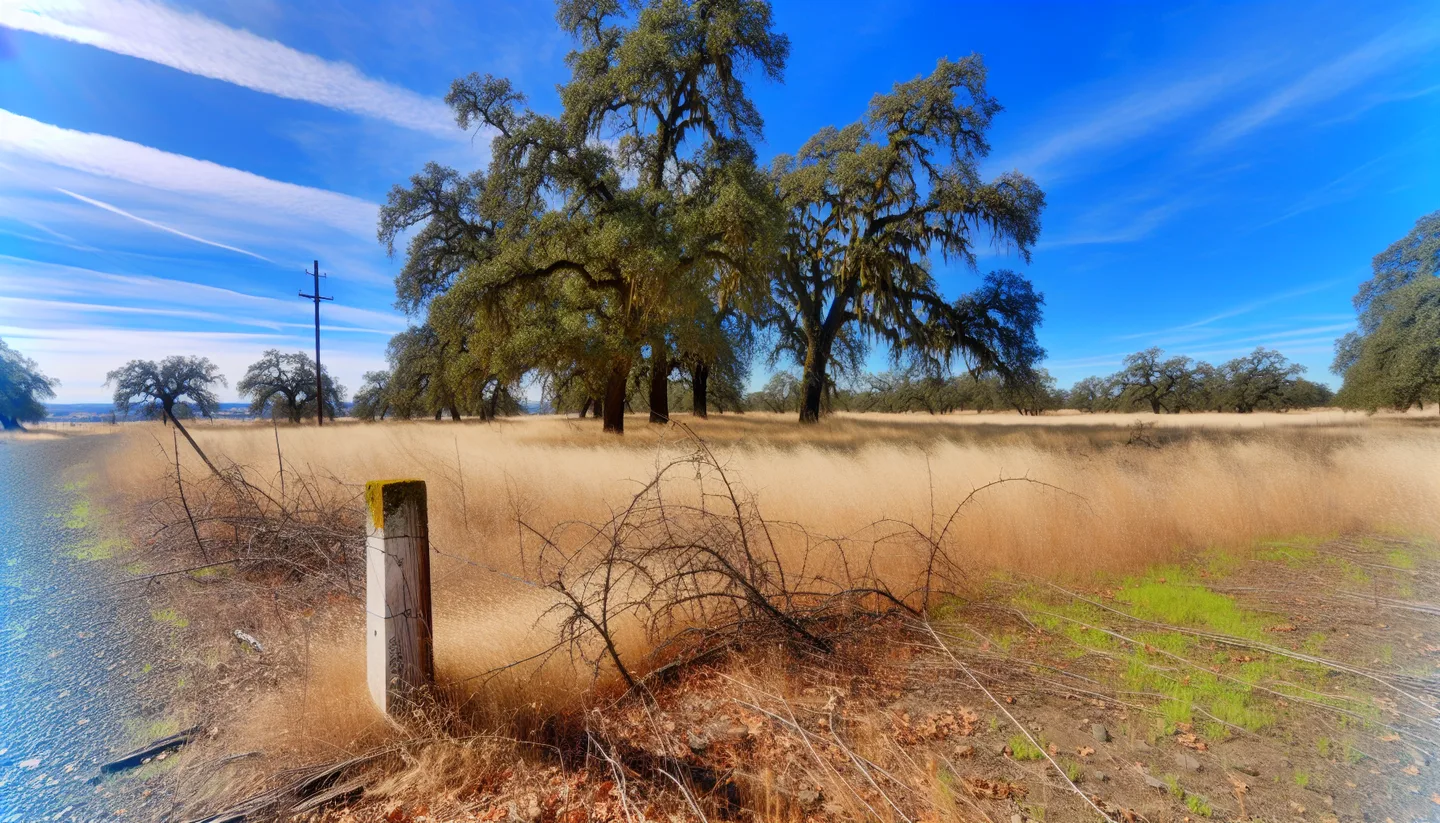
Disagreements among multiple heirs. When you inherit a house, or in this case, a parcel of land, alongside siblings or other family members, reaching consensus is not always easy. All parties must agree on the sale price, the method of sale, and how to divide the proceeds. If one heir refuses to cooperate, the others may need to pursue a partition lawsuit, which can be expensive and time-consuming. A mediator or estate attorney can often resolve disputes before they reach that point. Heirs with parcels in the LA metro area can learn more about selling inherited land in Los Angeles County, where market conditions often favor a faster sale.
Property tax reassessment under Proposition 19. Many heirs are surprised to find that the value of the property is reassessed when they inherit it. Under California Proposition 19, effective February 2021, inherited properties are now generally reassessed at the current market value of the property. Rental homes and investment properties receive no reassessment exclusion at all, according to the California State Board of Equalization. This can significantly raise the annual tax bill and make it less attractive to keep the property long-term, which is one reason many heirs choose to sell inherited real estate sooner rather than later.
Transfer taxes at closing. California’s standard county Documentary Transfer Tax is $1.10 per $1,000 of property value, according to Viva Escrow. However, if you sell inherited property located within a charter city, additional city-level transfer taxes may apply. Berkeley, for example, charges $15.00 per $1,000 in city transfer tax. Knowing the full cost of the sale of the inherited property before you close helps you net the amount you actually expect.
Do you owe capital gains tax? Whether you owe capital gains depends on the value of your inherited parcel at the time of death versus the selling price. A tax professional can run these numbers and help you avoid potential tax surprises. There is no property sale exclusion equivalent to the home sale exclusion for bare land, so you cannot exclude $250,000 in gains the way a primary-residence seller could. Understanding this distinction early in the process matters.
Disclosure requirements. Even when selling a property as-is, California law requires sellers to disclose known material defects. The sale of inherited property does not exempt you from this obligation. Failure to disclose known issues can create legal liability after closing, so err on the side of transparency.
Common Questions About Selling Inherited Land in California
Related Resources
- What You Owe in Taxes on a California Land Sale
- California Land Sale Document Guide
- Selling Your California Land Without a Broker
- Vacant Land Sales in California Without Agent Representation
- Strategies for a Quick California Land Sale
- Listing California Land for Sale on the Internet
Sell Your California Land
Do I have to pay taxes on inherited land that I sell?
When you sell an inherited property in California, you may be subject to capital gains tax, but probably less than you expect. Thanks to the federal step-up in basis, the fair market value of the land at the time of the original owner’s death becomes your new cost basis. If the selling price is close to that value, your taxable gain may be minimal or zero.
California does not have a state estate tax or inheritance tax, and the federal estate tax only affects very large estates. However, California does tax capital gains as ordinary income, so if the property value has risen significantly since you inherited it, you will owe state tax on that gain when you decide to sell. The federal estate tax exemption is generous, so most heirs will not face it. Still, consult a tax professional to understand your full picture before you sell an inherited house or parcel of land.
Is it better to keep or sell an inherited property?
Whether to sell or keep inherited land depends on your financial goals, your ability to manage the asset, and the carrying costs involved. If the parcel is subject to rising property taxes after reassessment under Proposition 19, ownership of the property may cost more each year than it returns. An investment property also requires active management, which not every heir wants.
On the other hand, if you’ve inherited land in a market where values are climbing, holding may make sense. The decision ultimately comes down to what fits your life. If you and your co-heirs agree that selling is the right move, moving forward promptly can reduce carrying costs. Property may appreciate further or decline, and timing always involves some uncertainty.. Reviewing the fair market value, the tax consequences, and your own financial situation with a qualified advisor helps you make the most informed choice.
What to Do After Inheriting Property
After you inherit land in California, the most important first step is to get organized. Gather the deed, any estate documents, and contact information for a probate attorney and a tax advisor. Understanding your legal standing and your potential tax exposure early will save you stress later.
If you want to keep the property, work with a real estate agent or property manager to assess its income potential or long-term value. If you want to sell your inherited property, you have options ranging from a traditional listing to a direct sale that can close quickly and simply.
We work with landowners across California who need a straightforward way to sell their inherited land without the delays or complications of a traditional sale. If you are ready to explore your options, feel free to reach out. There is no pressure and no obligation, just a clear conversation about what your land is worth and what a sale could look like for you.
Need to sell your California land? We buy land directly from owners for cash, with no fees, no commissions, and we close in as little as 2 weeks.
Loading form…